
One of the first literary devices most English students learn is ‘simile’, which is derived from the Latin word ‘similis’, meaning ‘like’.

One of the first literary devices most English students learn is ‘simile’, which is derived from the Latin word ‘similis’, meaning ‘like’.

We all love a good laugh.
Read More »
Like repetition, rhythm is another one of those seemingly innocent literary devices: simple in concept, but surprisingly challenging to analyse.

Before we get down and nerdy to literary business, here’s a synopsis of this post:
In this post, I want to address one of the biggest FAQs I get about the study and appreciation of literature:
Read More »
For any English student, the ability to spot figurative devices and explain to what effect they are used is an important skill.

A slightly different post today: instead of focusing on a specific technique or learning approach, I’d like to address the elephant in the room – mindset.
Read More »
The English dictionary is a wonderful invention, but there are times when it falls short of doing its job: making us understand what a word actually means.
Read More »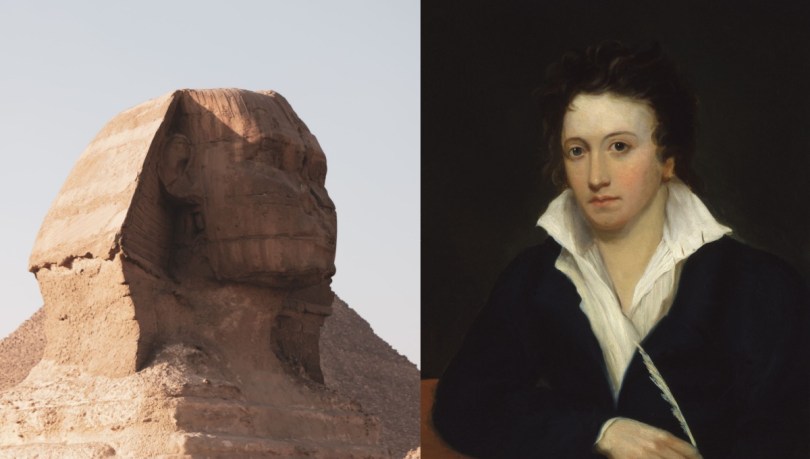
It’s quite common to see Romantic poetry in English Literature curricula, largely because they tend to feature more layman language and universal themes (well, ‘layman’ compared to their more stylistically experimental Modernist counterparts or more linguistically distant Medieval / Renaissance predecessors).
Read More »
A common question I get from students is how to describe ‘tone’.
Read More » The Hyperbolit School